

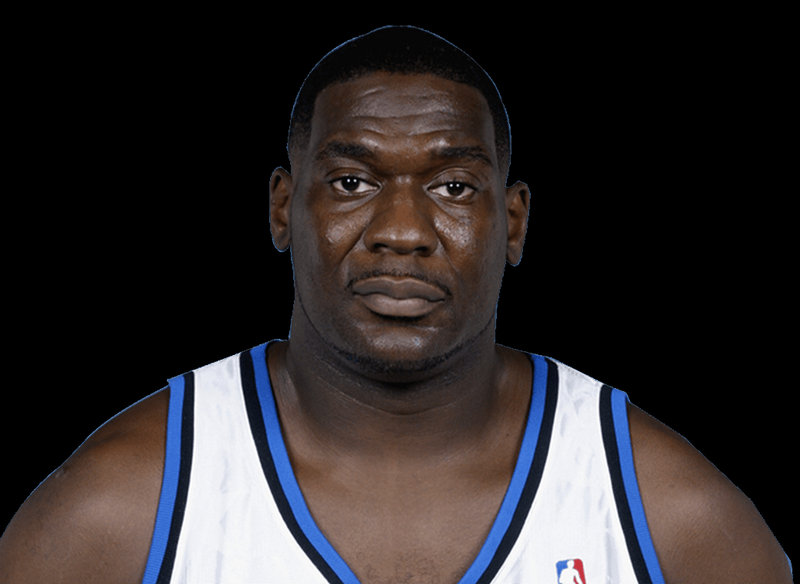
Did Shawn Kemp Rely Too Heavily on Athleticism for Defense?
Was athleticism overemphasized in Shawn Kemp’s defensive play? This question pushes us to consider the defensive work of one of the most electrifying players in NBA history. A six-time All-Star and one of the leading lights of the Seattle SuperSonics during their rise in the 1990s, Kemp was known for his incredible athleticism. Nonetheless, what he brought to the defensive end remains hotly debated amongst fans and commentators.
Understanding Shawn Kemp’s Defensive Style
Kemp’s defensive brilliance was closely associated with his physical gifts. At 6’10” with a wingspan that could fend off many shots, Kemp often used his leaping ability, which was off the charts, to knock shots away and cause turnovers. He made a lot of highlight-reel blocks, but these moments tended to distract from the overall scheme of the defense—while climbing the ladder on a vertical plane is impressive, there are more ways to play defense than simply showing off how high you can jump.
Throughout his career, Kemp managed to keep his average at 1.2 blocks per game, peaking in the 1993-94 season when he blocked 2.9 shots per game. Statistically, this would suggest he was a really effective shot-blocker. But those numbers don’t really tell the whole story with his defense. In addition to being a good shot-blocker and keeping a good average of swatted shots, Kemp also had some terrible years for defensive efficiency. For instance, during probably his two best years as a SuperSonic (1995 and 1996), Kemp had a DEFRTG of 107 and 109, respectively, which are both below average.
Kemp’s quickness let him stay in front of many foes. He was able to guard diverse positions. Although he was good at that, it was necessary for today’s versatile game. However, Kemp’s defensive awareness was behind his physical gifts. He lost track of players and struggled with positioning. While he was impressive athletically, lapses in defensive IQ negated many of his talents.
The Statistical Breakdown of Kemp’s Defense
Further dissecting whether Kemp relied too heavily on his athleticism, let’s look at some numbers. His career defensive win shares (DWS) stand at 27.4, and his defensive box plus/minus (DBPM) bounces between +0.5 and a bit lower. While those figures seem to be serviceable, they are far from elite. And in the playoffs, Kemp’s performance on the defensive end seemed to vary quite a bit too.
In the world of top-notch analytics, Kemp’s defensive stats present a complex tale.
Even though he was recognized for his shot-blocking ability, his overall impact was cozy in the average range compared to his contemporaries. When you look at the players he was around, like Hakeem Olajuwon and Dikembe Mutombo, they not only blocked shots but also were involved in a lot of other good defensive stuff. They had great positioning and awareness, DWS, and DBPM that were off Kemp’s charts, really showcasing that just being a great athlete doesn’t equal a great defender.
Did Shawn Kemp Rely Too Heavily on Athleticism for Defense?
At this point, it is evident that the inquiry “Did Shawn Kemp depend too much on athleticism for defensive purposes?” is quite a significant one. Kemp’s marvelous gifts in the athletic department were key to his success. But were they a double-edged sword? Did they sometimes result in Kemp being overly reliant on them in instances when his younger, fresher opponents were simply outthinking him? Instances when what they were doing was something you could teach a kid on his first day in a defensive class to avoid doing?
Alongside that, they indicate that changing trends in the NBA spotlight the importance of basketball smarts over brute strength. Coaches now pay more attention to and covet players who are not only physically gifted but also have a keen and comprehensive understanding of all kinds of defensive layouts. Kemp’s defensive style, as we have said, relied heavily on his natural gifts, yet in retrospect, it seems safe to say that it also diverged in some ways from what the modern game demands.
Lessons for Today’s Athletes and Teams
What can present-day players and teams learn from Kemp’s defensive manner? Here are a few important lessons:
- Defense is Everything: Developing a strong basketball IQ can enhance a player’s effectiveness on the court.
- Opponents Under Study: Grasping opponents’ tendencies can lead to improved defensive positioning.
In addition, teams need to put resources into defensive training that hones not only the physical skills but also the mental aspects required to play effective defense. Athleticism can get a player to a certain level, but if they don’t understand the ins and outs of defense, they can still fall short when it comes to playing at a consistently high level on that end of the floor. Shawn Kemp was a classic example of a profoundly gifted athlete who, if remembered only for his defensive prowess, would come up short on the legacy scale.
Conclusion
To conclude, Shawn Kemp’s defensive abilities make one ponder the age-old balance in basketball between explosive athleticism and intelligent, strategic play. Did Kemp depend too much on the former to succeed on the defensive end? My answer is yes, but only to a point. Although I would argue that any player, regardless of how dominant they are in a given physical trait, could stand to pay more attention to actual defensive fundamentals, I wouldn’t ridiculously suggest that Kemp could have been a better, more effective, or more efficient defender if he’d had a few extra inches of lateral quickness. The take-home lesson is that although being large, strong, and springy can get one a long way defensively in today’s NBA, it can also be a crutch.
Explore More on us
Discover insightful blogs on our Blogging Space, check our SoloStat Score Explanation, and learn more about NBA All-Defensive Team.