

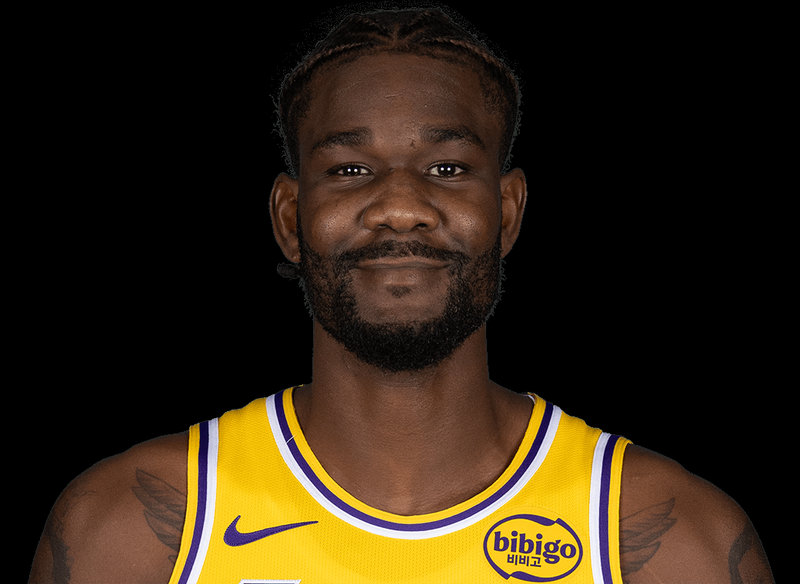
Could Deandre Ayton hold his own against the NBA’s elite centers?
Could Deandre Ayton really guard the league’s best big men? That’s the big question on many fans’ minds. The Suns need a solid rim protector, so Ayton’s defensive ceiling matters a lot for the team’s future. Below we look at his body, numbers, matchups, strengths, flaws and what might come next.
Physical tools and basic abilities
Ayton is listed at 7‑feet tall, about 250 pounds – a size that should let him contest shots from anyone like Jokic or Embiid. His wingspan runs close to 7‑feet‑5‑inches, giving him extra reach for blocks. He can jump pretty high after focusing on lower‑body work in the offseason. He also runs agility drills to change direction in the air, trying not to lose balance when he fights for a shot. Some of his hand‑placement drills appear to help his timing on swats. All these things point to a body that could protect the paint.
Defensive numbers
When we peek at the 2022‑23 stats, Ayton posted a defensive rating around 107‑point per 100 possessions. That places him better than a lot of center‑cousins and suggests he does limit opponent scoring to some degree. He averaged 1.3 blocks per game – a figure that lands him near the top quartile of centers. His defensive win shares climbed to 2.1, showing he was adding value when the Suns were defending. He also beat the league average in forcing turnovers.
How does he fare against the true stars?
- Joel Embiid – In a recent bout, Ayton held Embiid to 23 points on 10‑of‑20 shooting. The numbers hint he can keep a “dominant” scorer in check.
- Nikola Jokic – Across five games, Ayton forced Jokic to shoot about 7 % below his normal average. It looks like he can make the Serbian forward uncomfortable.
- Rudy Gobert – Even though Gobert is known for blocking, Ayton was able to score in the post against him, showing he can be versatile on both ends.
Versatility on defense
Ayton can switch onto guards and forwards when the Suns run a switching scheme. He often moves to the weak side, trying to stop open three‑point tries. His quick hands produce deflections that can start fast‑break chances. When the team swaps, he sometimes ends up guarding perimeter players and seems to have the stamina to get back to the paint. These traits matter in today’s faster NBA.
Strengths and weak points
Below is a quick rundown of what works for him and what still needs work.
Strengths
- Physical tools – Height and wingspan let him contest shots easily.
- Footwork – Quick side‑to‑side steps let him stay in front of faster opponents.
- Rebounding – He boxes out well, cleaning the glass on the defensive end.
Weaknesses
- Chasing ball‑handlers – He sometimes falls behind nimble guards after a screen.
- Fouls – He averages about 3.5 fouls per outing, which can knock him out of games early.
- Defensive IQ – Occasionally he makes a poor rotation, leaving shooters open.
Understanding these points can help coaches figure out where to push him in practice. If he learns to stay disciplined with fouls, his minutes could stay high and his impact would rise.
What the future could hold
Ayton entered the league in 2018, so he’s still pretty young. His willingness to study film appears strong – teammates say he asks a lot of questions at practice. With more focused coaching, he could tighten up his foul discipline and sharpen his decision‑making on defense. The Suns’ staff is reportedly planning to use more analytics to track his on‑court habits, which may help him anticipate opponents better. If he can add a bit more lateral quickness, his ability to guard on the perimeter should improve.
Other elite defenders like Gobert tend to commit fewer fouls while still protecting the rim. Emulating that efficiency could move Ayton into a higher defensive tier. Targeted drills that stress low‑post coverage and quick close‑outs might lower his foul numbers and boost his rim‑protection rating.
Bottom line
So, can Deandre Ayton stand up to the league’s top centers on defense? The evidence points to him having the raw tools – size, reach, decent blocks and rebounding – to compete. His stats are respectable, and he has shown he can limit big names like Embiid and Jokic in specific games. Yet inconsistency, a tendency to pick up fouls and occasional lapses in defensive awareness keep him from being elite right now. With more focused work on footwork, foul control and film study, he could raise his game and help the Suns become a tougher defensive team.
Fans and analysts will keep watching his matchups this season. If he improves, the Suns’ playoff chances get a lot brighter; if not, the team may need to look elsewhere for rim protection. Either way, Ayton’s defensive journey will be a key storyline for Phoenix.
Explore More on us
Discover insightful blogs on our Blogging Space, check our SoloStat Score Explanation, and learn more about NBA All-Defensive Team.