

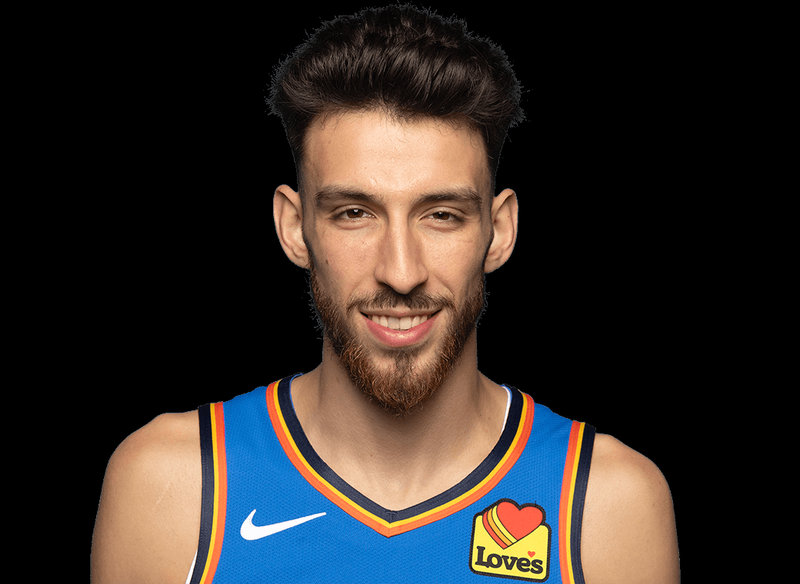
Could Chet Holmgren Fit Into Modern Small‑Ball Lineups?
Can a rookie who’s 7 feet tall and blocks a lot actually work in today’s “small‑ball” NBA? The Oklahoma City Thunder picked Chet Holmgren after he blew up at Gonzaga. The league now loves fast games and three‑point shots more than posting big men in the paint. Still, he averaged 3.7 blocks a game and shot about 39 % from outside. That mix might mean his game can survive in a Warriors‑style, pace‑heavy world. This short piece looks at whether his defensive feel can match the new small‑ball style.
The Rise of Small‑Ball Basketball
In the last ten years, NBA teams have started using lineups with more shooters and less size. The Golden State Warriors were early followers, putting Draymond Green – listed at 6‑foot‑6 – at centre. Green can handle the ball, switch on defence and still guard big men. Because of that, opponents now see players who can shoot threes but also protect the rim. So traditional shot‑blockers need to add speed and side‑to‑side quickness.
- Small‑ball crews normally try for 35+ three‑point attempts each game.
- Defence now has to guard far shots without leaving the paint empty.
- Blocking stays important even though spacing is king.
Holmgren’s college résumé looks like it could fit this shift. At Gonzaga he posted 3.7 blocks and hit 39 % of his threes, showing he can protect the rim and stretch the floor. His block rate of about 13 % shows good timing that could mess with fast‑paced offenses. Therefore his profile deserves a closer look at how he might slot into a small‑ball system.
Evaluating Chet Holmgren’s Shot‑Blocking Skills
Holmgren’s 7‑foot frame gives him a huge wingspan. He can deflect shots well outside the paint. His timing lets him guess passes and try to block without over‑committing. He also uses his length to get to the rim but can get back fast for the next move.
- During the 2021‑22 NCAA season his block percentage was 13.4 %, one of the best in the country.
- He can switch onto classic centres, power forwards and even stretch fours in heavy‑switch schemes.
Still, conditioning may be the make‑or‑break factor when moving from college to an 82‑game schedule. Holmgren spends the off‑season on cardio and core work so he can keep up his energy on defence. If he can stay fresh, it bodes well for small‑ball match‑ups where defenders run a lot.
Can Holmgren Adjust His Blocking to Small‑Ball?
Will Holmgren actually make the tweak? Three things matter most: how he thinks about spacing, his side‑to‑side speed and his footwork. First, if he knows where shooters sit, he can cut off lanes without leaving the interior open. Second, moving quickly on the baseline lets him bounce from rim protector to slash stopper. Moreover, smooth footwork helps him stay balanced when jumping for blocks.
- Foot‑agility drills can boost his pivot game and let him contest from many angles.
- Balance work makes sure his blocks don’t tip him over or hurt his stance.
His college days, where he often guarded versatile forwards, give him a base for today’s defensive roles. Marrying his instinct to block with good positioning could let him become a key piece in the Thunder’s line‑up, mixing size with the quickness small‑ball demands.
Conclusion: The Future of Chet Holmgren in Small‑Ball Match‑ups
Does Holmgren have what it takes to block in a small‑ball world? The stats say he has the height, the timing and even a decent three‑point shot. As Oklahoma City folds his skill set in, his growth could change how teams think about big men – no longer just rim‑guards, but also floor‑spacers. If he keeps sharpening his agility and stays healthy, his impact could go beyond his own career, maybe opening a new chapter for centres in a league that’s getting ever smaller.
Explore More on us
Discover insightful blogs on our Blogging Space, check our SoloStat Score Explanation, and learn more about NBA All-Defensive Team.