

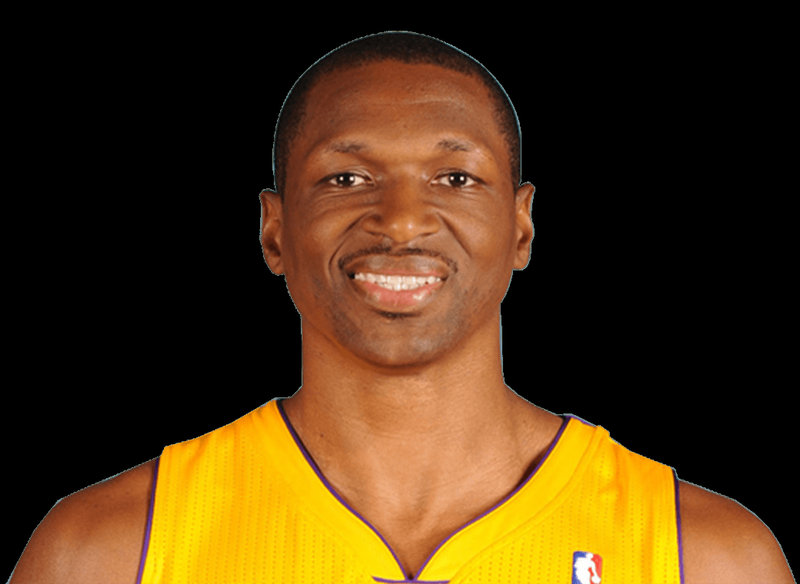
Is Theo Ratliff’s name absent too often in shot-blocking discussions?
In basketball, shot-blocking is often highlighted as a key defensive skill. Yet, is Theo Ratliff’s name absent too often in shot-blocking discussions? Despite his impressive career statistics, Ratliff remains overlooked in broader conversations about defensive legends. This article examines the reasons behind this neglect and the impact it has on the perception of defensive players.
The Career of Theo Ratliff
Theo Ratliff, a 6’10” center, played in the NBA for over a decade. He entered the league in 1995 and left in 2011, making significant contributions to several teams, including the Philadelphia 76ers and Atlanta Hawks. Throughout his career, Ratliff became known for his exceptional shot-blocking ability, recorded through various seasons.
For example, during the 2000-2001 NBA season, he posted an impressive 3.7 blocks per game, ranking him first in the league. Moreover, he averaged 2.8 blocks per game across his 11-year career, showcasing his consistency and impact on defense. Ratliff also holds a career total of 1,900 blocks—a testament to his defensive prowess.
Consequently, it raises the question: why isn’t Ratliff mentioned alongside other great shot-blockers like Dikembe Mutombo or Rudy Gobert? One reason could be the timing of his career. Ratliff played during an era filled with dominant big men, which may have diluted his individual recognition.
Why Is Theo Ratliff’s Name Absent Too Often in Shot-Blocking Discussions?
Another factor contributing to this oversight is the evolution of the NBA game. Today’s focus on perimeter shooting and small-ball lineups often eclipses traditional shot-blockers. As the game evolves, audiences gravitate toward statistics that emphasize offensive contributions, sometimes ignoring defensive excellence.
Additionally, while Ratliff had standout seasons, he didn’t achieve the mainstream fame that others enjoyed. This lack of visibility can severely impact a player’s legacy. Players like Mutombo and Gobert have not only stellar statistics but also have multiple Defensive Player of the Year awards, enhancing their prominence in shot-blocking conversations. Ratliff was named to the NBA All-Defensive Second Team but did not receive the same accolades.
To put this into perspective:
- **Dikembe Mutombo**: 4-time Defensive Player of the Year, 3,289 career blocks.
- **Rudy Gobert**: 3-time Defensive Player of the Year, consistently among the league leaders in blocks.
- **Theo Ratliff**: 1-time All-Star, 1,900 career blocks.
One might argue that individual honors often dictate how we view players in historical contexts. However, Ratliff’s effectiveness should not be dismissed simply because he lacks a plethora of awards.
The Impact of Defensive Players on Team Success
Moreover, analyzing Ratliff’s contributions reveals how vital defensive players are to a team’s success. Teams with strong shot-blockers often perform better in crucial moments. For instance, Ratliff’s presence allowed his teams to dominate the paint. His ability to deter players from driving to the basket opened up strategic possibilities for his teammates.
Statistics confirm this assertion: during the 2001 season when Ratliff averaged over 3.5 blocks per game, the 76ers finished with a winning percentage of .610. This is not a coincidence; shot-blocking significantly influences overall team defense, and Ratliff exemplified this reality.
Additionally, shot-blocking leads to fast-break opportunities, allowing teams to convert defense into offense. By creating turnovers or missed shots, Ratliff contributed to his teams in more ways than one. Consequently, recognizing his contributions is essential for understanding modern defensive strategies.
Bringing Attention to Ratliff’s Legacy
Now that we have established the importance of recognizing players like Theo Ratliff, how can we bring attention to their legacies? Highlighting their statistical contributions in discussions about defensive effectiveness is crucial. Moreover, by comparing Ratliff’s stats with contemporaneous players, we can foster a more inclusive dialogue about defensive greatness.
Furthermore, engaging in social media discussions can help elevate awareness. Fans and analysts alike should champion lesser-discussed players to create a more balanced narrative regarding defensive players. Greater acknowledgment can lead to new conversations about the role of shot-blockers in the NBA.
As we move forward, it is imperative to consider the legacies being built today. If we consistently acknowledge those who defend the rim effectively, we enhance the overall appreciation of defensive gameplay.
In conclusion, is Theo Ratliff’s name absent too often in shot-blocking discussions? The answer appears to be yes, and the basketball community should strive to rectify this oversight. By valuing defensive players and their contributions, we can enrich our understanding of the game.
Explore More on us
Discover insightful blogs on our Blogging Space, check our SoloStat Score Explanation, and learn more about NBA All-Defensive Team.