

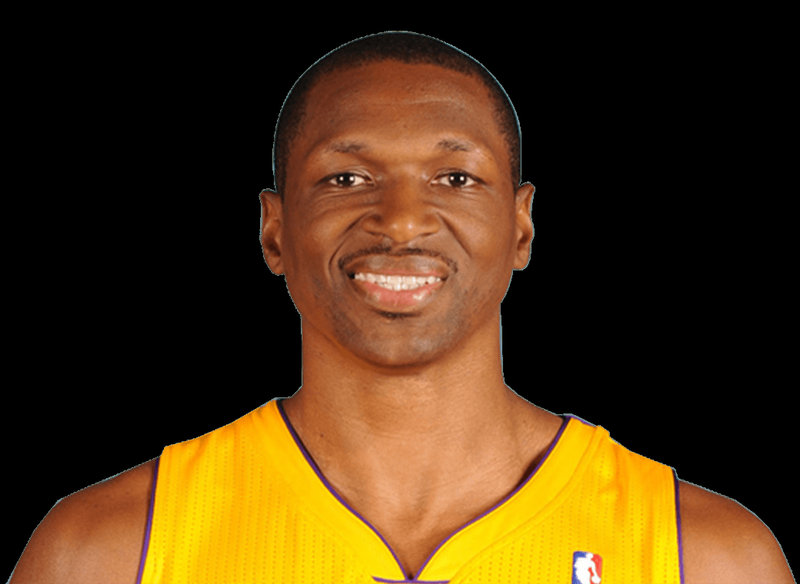
Could Theo Ratliff contend with today’s pace and expanded three-point lines?
Could Theo Ratliff contend with today’s pace and expanded three-point lines? This question invokes debate among basketball enthusiasts and analysts alike. Ratliff, a prominent NBA center from the 1990s to the early 2000s, was known for his exceptional defensive skills and shot-blocking ability. However, the game has evolved significantly since his playing days. In this article, we explore how Ratliff’s skills would measure up in the current basketball landscape, characterized by a faster pace and increased emphasis on three-point shooting.
The Evolution of the NBA: A Quick Overview
The NBA has transformed considerably over the years. Teams today prioritize spacing and shooting, with a notable increase in three-point attempts. Statistics reveal that the average team in the 2021-2022 season took 35.4 three-point shots per game, a drastic shift from just 19 attempts in the 2000-2001 season. This evolution raises several questions regarding player adaptability. Ratliff, who played most of his career in an era where post play and mid-range shots were more common, might find today’s game challenging.
For example, the Golden State Warriors, a team that epitomizes the three-point revolution, won the NBA Finals in 2022 largely due to their shooting prowess. Stephen Curry, their star point guard, averaged over 23 attempts from beyond the arc in the playoffs, showcasing the strategic shift towards perimeter shooting. Furthermore, centers who excel in rim protection, like Ratliff, have had to adapt or risk being less effective on defense.
Defensive Style: Ratliff’s Strengths
Theo Ratliff was one of the NBA’s most adept shot-blockers. He averaged 2.5 blocks per game over his career, peaking at an impressive 3.7 blocks in the 2000-2001 season. Additionally, his defensive IQ and ability to read plays helped him excel in his role. Ratliff’s defensive skill set included the following:
- Excellent timing for shot-blocking
- Quick lateral movement to defend the pick-and-roll
- Strong rebounding capabilities, averaging 7.5 rebounds per game
These attributes would still be valuable today, especially in a league that values individual defensive capabilities. However, would his style adapt to the increased pace and perimeter-oriented offenses?
Could Theo Ratliff Contend with Today’s Pace and Expanded Three-Point Lines?
In the context of today’s game, Ratliff’s skills could both excel and struggle. On one hand, his defensive skill set is versatile enough to allow for effective rim protection, which remains crucial even as the league shifts focus. Consequently, teams still require centers who can contest shots around the basket. However, the increased pace of the game creates vulnerabilities.
Today’s game often rewards players with speed and agility, relying heavily on spacing and quick ball movement. Ratliff’s defensive approach relied on positioning and timing. Although this is still relevant, players today frequently exploit mismatches in transition, making it imperative for big men to adapt quickly. Ratliff would likely face challenges in defending against quicker guards and forwards who shoot from deep.
Adapting to Modern Basketball: What Would Ratliff Have to Change?
If Ratliff played in today’s league, he would need to make significant adjustments to his game. Some of these might include:
- Staying Close to the Perimeter: Ratliff would need to extend his defensive range to contest three-point shots effectively.
- Improving Lateral Quickness: Enhancing his agility would be crucial in defending faster opponents, particularly in pick-and-roll situations.
- Three-Point Shooting: Adopting a reliable outside shot could add another dimension to his offensive game, making him a more complete player.
Statistics indicate that successful centers today often possess a versatile skill set that includes shooting from the perimeter. Players like Deandre Ayton and Nikola Jokic bring not only rim protection but also offensive threats from outside. In contrast, Ratliff had limited offensive versatility, often focusing more on defensive duties.
Conclusion: The Legacy of Theo Ratliff in Light of Modern Changes
Could Theo Ratliff contend with today’s pace and expanded three-point lines? While he possesses innate defensive talents that would help him survive in the modern environment, adapting to the speed and shooting demands of today’s league would present challenges. Furthermore, his ability to extend his range and adjust his style of play would ultimately determine his effectiveness.
As a player, Ratliff left a lasting legacy as a formidable defensive force. While he may not mirror the success of today’s more versatile big men, he would bring valuable skills to a modern roster. His story underscores the importance of adaptability in sports, reminding fans and players alike that evolution is key to success.
Explore More on us
Discover insightful blogs on our Blogging Space, check our SoloStat Score Explanation, and learn more about NBA All-Defensive Team.