

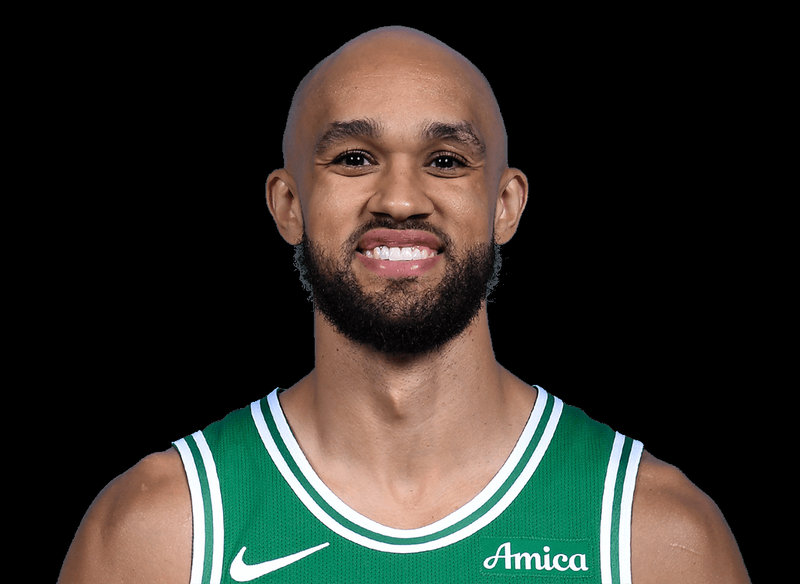
Is Derrick White Actually Becoming the Spurs’ Next Defensive Guard?
Is Derrick White turning into the San Antonio defensive star we keep hearing about? The talk has spread fast among fans and analysts. To see if he really is rising we need to look at his numbers, his skills, what the team does on defense, and also the things that could hold him back. Below is a rundown that tries to keep it simple but still honest.
How White’s Game Has Changed
White came to the Spurs after a solid college run at Colorado where he was known for “two‑way” play. The Spurs picked him in 2017 hoping he could help on both ends. In his rookie year he showed a few flashes – the stat line was low and he was still learning the Spurs system.
By the 2020‑21 season the picture looks a bit brighter. His steals ticked up to about 1.0 per game. That likely means better anticipation and quicker hands. At the same time his defensive rating fell to roughly 107, which spots him among the better perimeter defenders in the league. A lower rating means fewer points given up when he’s on the floor, so it’s a positive sign.
White also started to pressure ball‑handlers more. Tracking data puts him in the 85th percentile for contests against opposing point guards. In plain words that shows he can make it harder for the other team’s main guard to run the offense. Because of that the coaches have started trusting him with tougher assignments, like guarding a scoring guard late in a game.
The Numbers Tell a Story
Stats only tell part of the picture but they’re still useful. White brings energy that fits the Spurs defensive identity.
- ≈1.0 steals per game – shows he’s looking for the ball.
- ≈107 defensive rating – points allowed per 100 possessions when he’s playing.
- 85th percentile for on‑ball contests – compared to other guards in the league.
- ≈3.5 deflections per game – tells you how often he tips the ball away from opponents.
Those bullet points try to sum up his defensive toolbox. The steal number points to instinct, the rating to overall efficiency, the percentile to how he ranks against peers, and the deflection count to hustle and hand activity.
His ability to switch between guarding point guards, shooting guards and even small forwards also adds value. The Spurs love to rotate on defense, so a player who can slide quickly and stay in front of different sizes is a key piece.
Does He Fit the “Defensive Standout” Role?
Calling someone a “standout” needs consistency, impact and the ability to lift teammates. White has the physical pieces: a 6‑5 frame, long wings, quick feet. Those help him contest shots and recover after rotations.
The coaching staff have put extra time into his development. Popovich (the head coach) stresses foot‑work drills that sharpen balance and improve the defensive slide. Those drills seem to have helped White stay in front of faster opponents without fouling too much. The team also uses a lot of video study. White spends hours watching opponents’ tendencies frame by frame, which builds a basketball IQ that shows up as good positioning before the ball even arrives.
Off‑court study is a big part of his routine. He watches game tape, looks for the little cues that tell where a shooter will go. That preparation can lead to anticipatory positioning – a hallmark of elite defenders. When he gets those cues right, the whole team can shift quicker and force a bad shot.
Things That Could Slow Him Down
Even with the bright signs, White still has hurdles. One is consistency. At times when the offense is quiet he seems to lose a bit of intensity, which can lead to defensive lapses. Keeping a high level of focus on every possession is something he still needs to work on.
Injuries are another worry. In the 2020‑21 year he missed 23 games because of a nagging ankle. He’s been healthier since, but a heavy defensive workload can tax the body. The Spurs will likely need to manage his minutes carefully so he stays on the floor for longer stretches.
Spurs Defense Going Forward
San Antonio has a long history of defensive excellence — think David Robinson’s shot blocks, Tim Duncan’s help guard, and Tony Parker’s perimeter pressure. The modern Spurs blend analytics with aggressive on‑court tactics, valuing versatility and accountability. White’s skill set fits right into that mold, making him a natural candidate to continue the defensive legacy.
Bottom Line
Putting everything together, the picture points toward Derrick White moving toward becoming a defensive standout for the Spurs. His stats have improved, his skill set aligns with the team’s philosophy, and the coaching staff is putting a lot of effort into his development. Some issues — consistency and health — still need work, but the overall trend is positive. If the Spurs keep pushing defense as a priority, White could very well be the guard leading that effort for years to come.
Explore More on us
Discover insightful blogs on our Blogging Space, check our SoloStat Score Explanation, and learn more about NBA All-Defensive Team.