

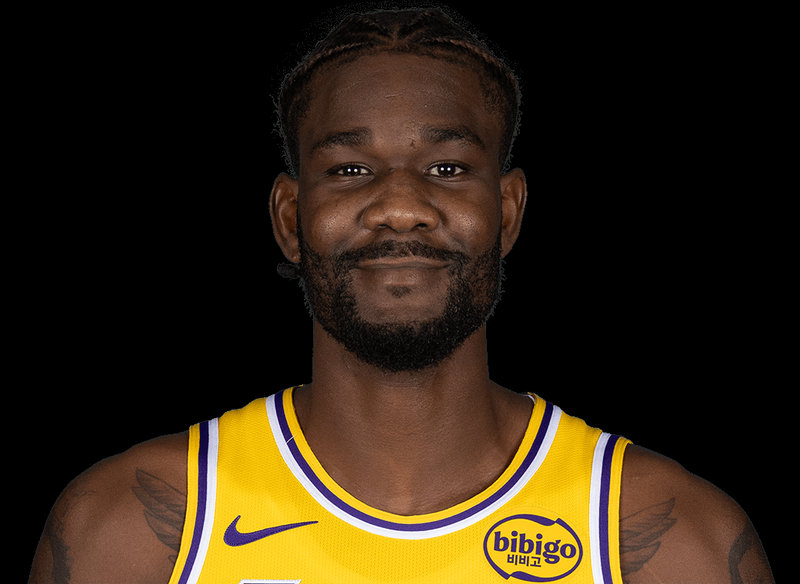
What Defensive Lessons Has Deandre Ayton Picked Up From His Veteran Teammates?
How has Ayton’s defense changed since he landed in Phoenix? He’s taken a sort of apprenticeship with the Suns’ older players. The tall rookie leans on his own athletic gifts, but he’s also listening to the brain‑work of his veterans. The upshot? A more disciplined, adaptable big man who now fits tighter into the Suns‑defensive picture.
Veteran Mentorship in Action
In the NBA, a mentor’s role can be more than just advice; it can act like a bridge for basketball know‑how. In Phoenix, two names stand out: Chris Paul and Jae Crowder. Their influence gives Ayton real‑time feedback, a play‑book outlook and a model of on‑court professionalism.
- Chris Paul: reads offense, teaches spacing and positioning.
- Jae Crowder: shows how to fight, how to match up, stresses grit.
When the Suns went to the 2021 NBA Finals, Ayton’s rebounding jumped – his defensive rebound % hit 29.3%. That rise lined up with Paul’s push to box out harder and Crowder’s endless hustle. Together they nudged the rookie toward a bolder paint presence.
How Ayton Has Sharpened His Anticipation
First, his ability to predict things may be his biggest upgrade. Paul often tells him to watch how opponents’ shooters move, to guess a post move before it happens. In their late‑night film rooms, they pause on a forward’s slight weight shift, a guard’s eye glance – little cues that warn of an upcoming drive. Those tiny signs let Ayton jump into shots earlier and mess up passing lanes.
Physical Edge Gained From Crowder
Second, Crowder’s focus on gritty, disciplined aggression seems to have cut Ayton’s fouls. He’s gone from about 4.6 fouls per 36 minutes down to roughly 3.3 – a sign he’s fighting smarter, not just harder. Crowder also pushes core work, so Ayton now holds his ground against veteran power forwards better than he used to.
Talking More on Defense
Third, communication has become a big part of his toolbox. Paul is always yelling directions, calling screens out loud. Ayton started to echo that, speaking up in defensive sets, keeping the whole Suns unit in sync. That vocal presence lifts group chemistry and plants Ayton as a budding defensive voice.
Stat Improvements and What They Mean for the Suns
Numbers back up the story. Ayton’s defensive rating slid to 106.3, putting him near the league’s more efficient interior defenders. Blocks per game rose to 1.2 – another sign his timing got sharper. Those stats helped the Suns tighten up in the 2022 playoffs; opponents shot less overall.
The Suns as a whole nudged their defensive efficiency up by about 2.5 points per 100 possessions in that postseason run. A lot of that shift came from Ayton’s better rebounding and new shot‑alteration habits. More defensive boards = fewer second chance points for rivals, which mattered in close games.
Underlying all the data is a steady film‑breakdown habit. Paul and Crowder sit with Ayton, point out opponents’ weak spots, and practice picking up pick‑and‑rolls, spotting weak‑side cutters, and switching positions on the fly. That prep turns raw instinct into a more solid decision‑making process.
In Closing: Why Learning From the Best Matters
So what defensive insights has Deandre Ayton gotten from his veteran teammates? The answer is a blend of mentorship, stats improvement and strategic study. By soaking up Paul’s brainy approach and Crowder’s gritty push, Ayton has grown a well‑rounded defensive skill set that lifts both his own play and the Suns’ identity.
Looking ahead, Ayton could keep climbing. If he keeps sharpening his anticipation, sticks to disciplined aggression and stays vocal, he could become a regular All‑Defensive pick. The mix of his natural talent with veteran guidance puts him on track to anchor Phoenix’s defense for many seasons – proof that the biggest growth often springs from learning right beside the best.
Explore More on us
Discover insightful blogs on our Blogging Space, check our SoloStat Score Explanation, and learn more about NBA All-Defensive Team.