

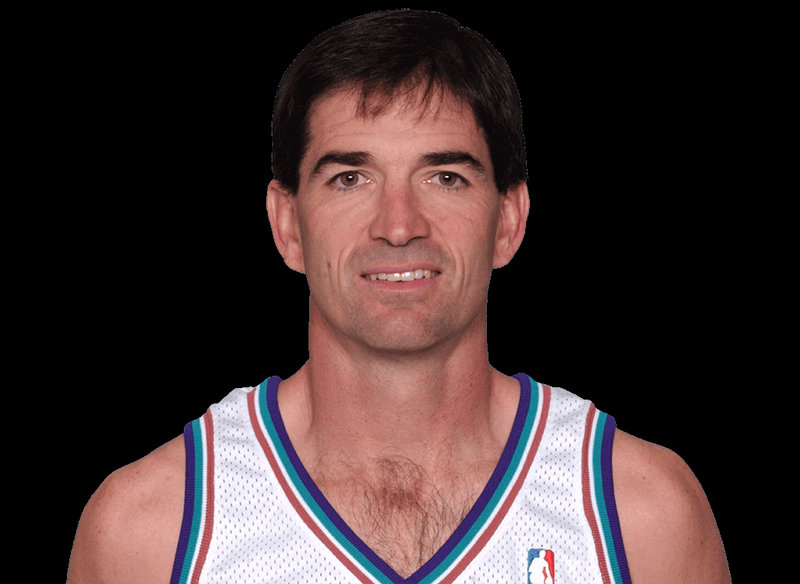
Can John Stockton handle today’s switch‑heavy defenses?
People ask if the Hall‑of‑Fame point guard could still thrive when teams switch a lot on defense. The question forces us to look at Stockton’s skills, the way defenses have changed, and what modern floor leaders need.
How NBA defense has shifted
To stop shooters, coaches have added more switches in the last ten years. Players must guard two, three or even five spots without pause. Teams like the Warriors and the Heat use line‑up changes to force mismatches.
- 2022‑23 season: squads that switch cut opponents’ shooting % by a little over 4 %.
- Points per 100 possessions went down when more switching happened.
Those numbers show defending now a real game‑changer. So point guards need quickness, good chatter, and a solid basketball brain to manage the constant motion.
Stockton’s toolbox and today’s peers
When he retired Stockton left 15,806 assists and 3,265 steals – proof of his keen eyes and tenacity. He also shot 51.5 % for his whole career, fairly efficient for a pass‑first guard.
Put next to Stephen Curry, a shooter known for deep threes, Stockton looks different. Curry stretches defenses with range; Stockton moved the ball fast and used defensive rotations. The comparison makes us wonder what truly lets a guard win when defenses are fluid.
Stockton decided fast but careful. He could spot where a defender sat and slip a perfect pass in a split second. His 3,000+ steals show he could guess passes and take them – a skill that fits the anticipatory needs of today’s switch style.
Could Stockton still thrive?
Looking again at the big question, it seems likely Stockton could adapt and maybe even excel under current defensive schemes. His career shows traits that line up with what teams need now.
- Fast passes: Move the ball quick to bite at switches.
- Make mismatches: Use pick‑and‑roll so bigger guys end up guarding quick players.
- Defensive smarts: Read switches, stay in position.
His 51.5 % shooting also hints he could score when called upon, without hurting his primary role as a facilitator. Knowing defenses and having a good shooting touch would let him keep up with the faster tempo of the modern NBA.
What that means for today’s guards
Thinking through Stockton’s hypothetical shows a few lessons for current players and coaches. Modern point guards have to build a mix of skills – both scoring and serving – while also soaking up the defensive ideas that rule today’s games.
- Be adaptable: Keep tweaking tools to fight switching.
- Play for the team: Winning comes from group work, not solo shots.
- Know the defense: Studying opponents lets you plan counters.
Those takeaways point out that the qualities that made Stockton great – vision, generosity, and defensive curiosity – still matter. Coaches who teach these values will see their players handle the tricky rotations of today.
Closing thoughts: Stockton’s place in a new era
So could John Stockton thrive with today’s switch‑heavy defenses? The evidence leans toward a strong yes. The NBA may have evolved, but Stockton’s core abilities – elite feeding, sharp basketball sense, and solid defense – transfer cleanly to current tactics.
In short, Stockton’s lasting mark teaches that adaptability, teamwork, and a deep grasp of defensive scheme stay the foundation of long‑term success. As teams keep inventing, the timeless traits Stockton displayed will keep shaping the next wave of floor leaders, and his influence will stay alive in the ever‑shifting world of pro basketball.
Explore More on us
Discover insightful blogs on our Blogging Space, check our SoloStat Score Explanation, and learn more about NBA All-Defensive Team.