

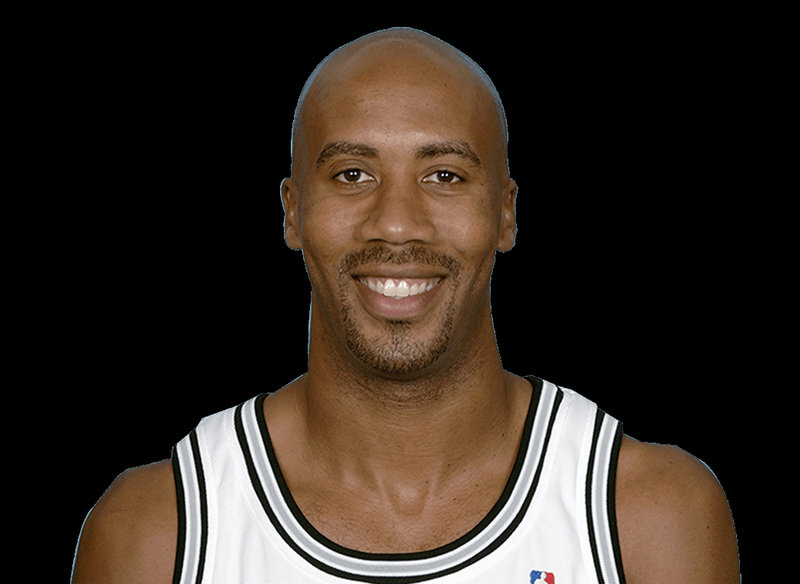
How did Bruce Bowen specialize in shutting down perimeter sharpshooters?
How did Bruce Bowen become the guy everybody feared on the three‑point line? That question drives this short look at a player whose grit and brainwork reshaped what defense looks like in today’s NBA. Bowen built a name as a hard‑nosed perimeter man for the San Antonio Spurs. In the following paragraphs I’ll go over his tricks, the numbers that prove he was good, and the way his ideas still echo in game plans now.
The Evolution of Perimeter Defense
Shooters from outside used to be a nice extra, not the main thing. Then players like Stephen Curry and Klay Thompson started blowing up the odds, forcing teams to throw more help at the three‑point line. So the league moved toward guards that could bite at shots but still play together.
In older days the focus was on protecting the rim. Big men got the cheers. As three‑point attempts grew, the average jumped from around fifteen a game in the early‑2000’s to over thirty‑five by the late‑2010’s. That rise made a market for people who could shut down elite shooters out on the wing.
Bowen’s stats back up his value in that shift. He posted a defensive rating of 99 in 2001‑02, well under the league norm. He also was often near the top in defensive win shares, showing he kept his team’s numbers low on opponents.
Four core ideas made up his style. Each mix basics with a level of intensity most opponents struggled against.
- Closeouts – He would sprint hard at shooters, cut off their eyes and stay balanced enough to contest the release.
- Footwork – Lateral slides that mirrored the opponent made it hard for them to get space.
- Basketball IQ – He seemed to read plays ahead, jumping passes and messing with timing.
- Physicality – Controlled aggression let him challenge without getting called for lots of fouls.
How did Bruce Bowen specialize in shutting down perimeter sharpshooters?
Bowen’s method depended on mastering basics. He kept his hands low and his feet planted so that pump fakes couldn’t trick him, denying a quick release. His mental toughness also let him stay calm when the opponents kept firing shots.
The Spurs’ whole defensive system amplified his skill. They ran a talk‑driven scheme, fast rotations and help defense. When Bowen forced a shot, teammates would collapse fast, covering rebounds and secondary threats.
A clear example of his impact showed up in the 2003 NBA Finals. He held the New Jersey Nets shooters Jason Kidd and Kenyon Martin to just 31 % from three‑point range. That helped the Spurs take the title. It proved one defender could swing a high‑stakes series.
Impact on NBA Defensive Strategies
Bowen’s success made coaches rethink defense across the league. Suddenly “defensive specialist” got more value, and rosters started to include players whose main job was to choke three‑point shooters. The idea of a “defensive wing” grew bigger.
Analytics added fuel to the fire. New stats can now measure exactly how a defender affects opponent shooting numbers. Teams use these numbers to design matchup plans modeled after Bowen, looking at closeout speed and contested‑shot rates.
The way kids train now also bears his imprint. Youth camps stress footwork drills, situational awareness and tight body positioning – the very things Bowie lived by. So the next batch of NFL (oops NBA) players comes in already aware of the defensive demands he popularized.
Final Thoughts: The Legacy of Bruce Bowen
How did Bruce Bowen specialize in shutting down perimeter sharpshooters? By mixing unrelenting effort with clever preparation, he created a defensive template that still lives on. His mix of skill, plan and discipline gave teams a blueprint that transcended personal awards, shaping how squads build lineups and coaches think.
The lasting mark of his career shows up not only in rings but also in the way modern squads guard the three‑point line. His tactics still shape defensive drills, scouting notes and analytics models, making sure the next generation knows the worth of a player who can quiet the sharpest shooters with poise.
Explore More on us
Discover insightful blogs on our Blogging Space, check our SoloStat Score Explanation, and learn more about NBA All-Defensive Team.