

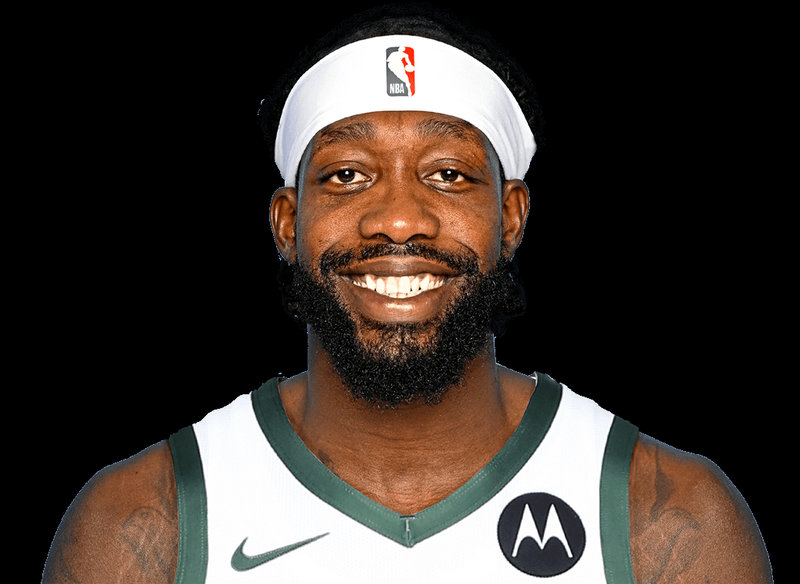
How Does Patrick Beverley Intimidate Ball Handlers Despite Size Disadvantages?
At about 6’1’’ and 180 lb, Beverley doesn’t look like the traditional lockdown defender. Yet he constantly makes bigger guards look nervous. Why? The answer isn’t a single magic trick – it’s a mix of mind games and quick feet that together drown out the size gap. It may mean you can’t judge a player only by his height.
The Psychological Edge: Mind Games and Intensity
From the moment he steps on the court, his voice is loud, his stare is fierce. He shouts, waves his arms, keeps eye contact like he’s daring the point guard to blink. His trash‑talk isn’t wasted; it’s aimed at breaking confidence so the shooter rushes. Also his posture – leaning forward, shoulders square – screams “I’m not backing off”.
Moreover, the noise he creates can actually drown out a ball‑handler’s focus. Critics say it can be a bit too much – maybe it crosses the line into cheap intimidation – but his results show the approach works.
- Constant Pressure – No break, he forces a reaction every second.
- Trash Talk – Vocal jabs aimed at the opponent’s confidence.
- Body Language – Aggressive stance that says he already won the battle.
Before each game, he’ll sit with a mountain of tape‑recorded games, pause on a play, note the tendency to drive left or pull up on a fake. Those notes give him a mental map, letting him guess the next move almost before the ball‑handler even chooses it. That preparation, coupled with raw hunger, often feels like watching a chess player think ten moves ahead, despite his petite frame.
Physical Tactics: Quickness and Angles
Speed is the heart of his defensive toolbox. He sprints laterally faster than many taller guards. When he catches sight of the ball he’s already in front, forcing a hurried, off‑balance shot. 2020 metric reports opponents shoot about 36 % when Beverley’s hot on them – a drop from their usual rate. That foot speed also lets him sprint back after a drive, staying in front for the whole play.
- Footwork – Tiny steps, quick cuts, keep him glued to the ball.
- Angles – He cuts lanes, forces the ball handler to the sideline where there’s less room.
- Defensive Stance – Low centre of gravity, better balance, faster reaction.
Over ten years of playing elite scorers, he’s learned to read tiny cues – where the eyes drift, a subtle weight shift. Those whispers of intent help him decide when to gamble for a steal or when to just lock the lane. Some analysts argue that such “gaming the mind”, though effective, fuels frustration and raises foul rates – a possible downside.
The Stats Speak
Numbers confirm the eye‑test. Throughout his career he rakes about 1.5 steals a game, while his defensive rating often drops below 100 – meaning his teams allow fewer points when he’s the primary guard. He also forces roughly 3.4 turnovers per game, edging out many larger defenders.
In the 2021 playoffs, his pressure slowed Damian Lillard to a point‑guard rating he’d never seen before, shaping a playoff upset that still get talked about.
- Steals per game – 1.5, indicating a knack for snatching ball.
- Defensive rating – Usually under 100, showing how opponents score less.
- Turnovers forced – About 3.4 each match, a sign of pressure.
That 2021 series against the Trail Blazers really highlighted how a ‘small’ player can tilt a series. By making Lillard uncomfortable, Beverley altered the whole rhythm of Utah’s backcourt. Critics might say it’s a one‑off, but his consistency over years suggests a pattern, not a fluke.
Conclusion: The Complete Defensive Package
So, how does Patrick Beverley intimidate ball handlers despite being undersized? He blends relentless mental pressure, prepared trash talk, superior footwork, and a constant urge to force mistakes. The statistics back his approach, and experience shows his tactics work night after night. For upcoming defenders, the takeaway is clear: heart, hustle, and study can outweigh height and bulk. A player who can keep a louder voice and faster feet may surprise anyone – even his own size.
Future guards who want to mimic him should start watching tape, talk up opponents, and drill their foot speed until those quick steps become second nature. In doing so they prove that drive and mind often eclipse raw physical measurements on the defensive side of the game.
Explore More on us
Discover insightful blogs on our Blogging Space, check our SoloStat Score Explanation, and learn more about NBA All-Defensive Team.